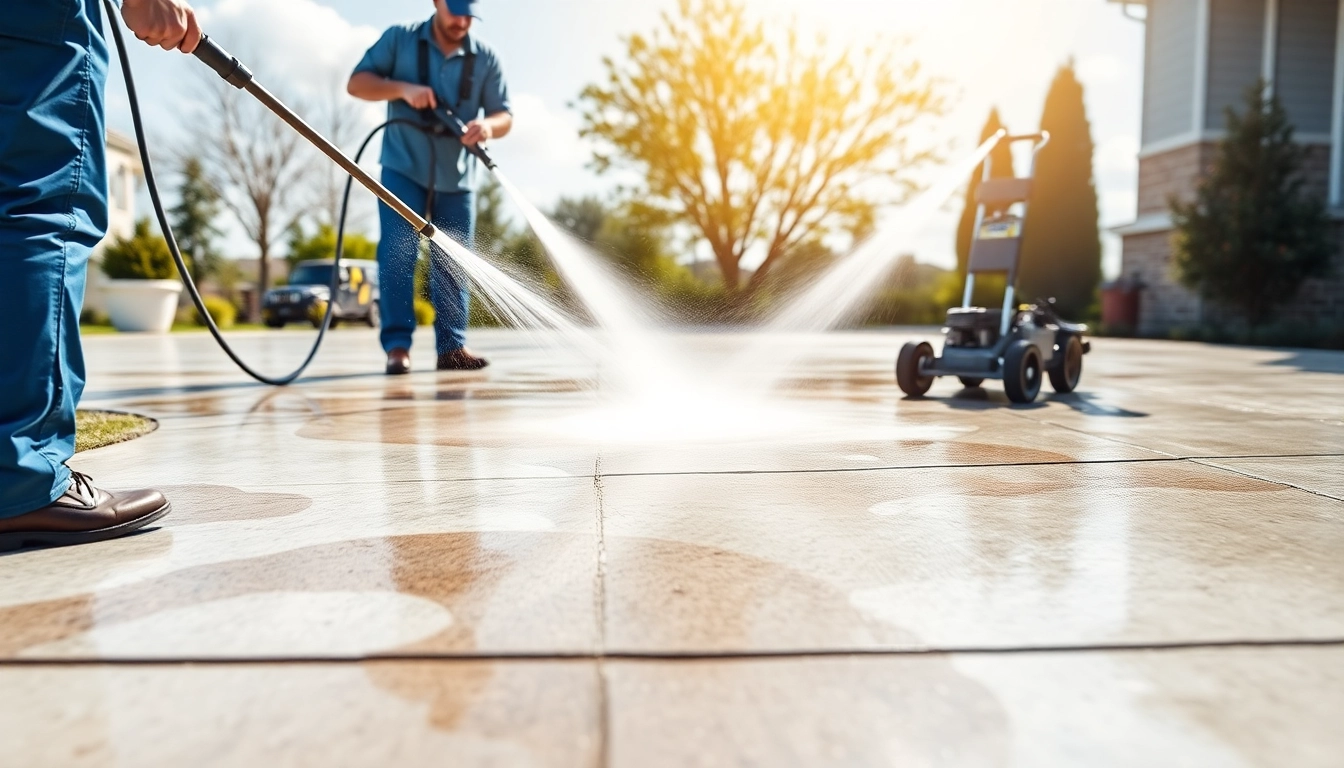
Understanding Concrete Cleaning Methods
Concrete cleaning is an essential maintenance task that not only improves the appearance of surfaces but also prolongs their lifespan. Whether you're dealing with patios, driveways, or commercial sidewalks, understanding the various techniques and methods for effective concrete cleaning can save you time and enhance the overall value of your property. At Full Pressure Powerwash, we emphasize the importance of using the right approach to tackle different types of stains and contaminants while ensuring the safety and integrity of your concrete surfaces. When exploring options, concrete cleaning provides comprehensive insights into maintaining pristine concrete exteriors.
What is Concrete Cleaning?
Concrete cleaning refers to the process of removing dirt, grime, mildew, stains, and other contaminants from concrete surfaces. Over time, concrete can accumulate various substances that diminish its aesthetic appeal and structural integrity. This cleaning process is crucial for both aesthetic reasons and preventive maintenance, ensuring that surfaces are not only visually appealing but also safe for use.
Common Techniques for Effective Cleaning
There are several methods for cleaning concrete, each suitable for different types of stains and surface conditions. Here are some of the most commonly used techniques:
- High-Pressure Washing: This method involves the use of high-pressure water jets to blast away dirt and debris. It's particularly effective for removing stubborn stains, such as oil or grease.
- Soft Washing: Unlike pressure washing, soft washing employs lower pressure combined with specialized cleaning solutions. This method is ideal for delicate surfaces like decorative concrete that can be damaged by high pressure.
- Chemical Cleaning: This involves using chemical solutions specifically designed to break down tough stains. Acidic cleaners are often used for mineral deposits, while alkaline cleaners may be more suitable for organic stains.
- Steam Cleaning: Utilizing hot steam, this method can effectively sanitize surfaces while loosening dirt and grime. It’s a chemical-free approach that is environmentally friendly.
Benefits of Professional Concrete Cleaning
Investing in professional concrete cleaning services offers numerous benefits. First, trained experts possess the experience and equipment necessary to achieve superior results without damaging your concrete surfaces. Professional cleaning can:
- Enhance aesthetic appeal, increasing curb appeal for residential and commercial properties.
- Prevent long-term damage caused by mold, pollutants, or algae buildup.
- Improve safety by reducing slippery surfaces when done regularly.
- Extend the life of concrete surfaces, ultimately saving money on repairs or replacements.
Choosing the Right Equipment for Concrete Cleaning
Effective concrete cleaning requires specific tools and equipment that best suit the type of cleaning method employed. Understanding what you need is crucial for achieving the best results.
Essential Tools and Accessories
Here are some essential tools and accessories that can help in concrete cleaning:
- Pressure Washer: A powerful device that can handle various pressure levels. Look for models that offer adjustable pressure settings for different cleaning tasks.
- Surface Cleaner Attachment: This accessory helps achieve uniform cleaning results by covering large areas quickly without leaving streaks.
- Specialized Cleaning Solutions: Depending on your specific needs, using a pressure washer with the right chemical agents can significantly enhance cleaning efficiency.
- Safety Gear: Protective eyewear and gloves are essential to ensure safety when handling strong cleaners and high-pressure equipment.
Comparison of Pressure Washing vs. Chemical Cleaning
When choosing between pressure washing and chemical cleaning, consider the following differences:
- Pressure Washing: Best suited for tough, caked-on debris and extensive areas. It offers immediate results but can risk damaging delicate surfaces if not handled correctly.
- Chemical Cleaning: More effective for specific stains and less likely to damage the surface. However, it can take longer to see results and may require additional rinsing and preparation.
When to Utilize Professional Equipment
While some concrete cleaning tasks can be managed with homeowner-grade equipment, certain situations call for professional-grade tools. Consider professional equipment when dealing with:
- Large commercial properties requiring extensive cleanings.
- Severe stains or buildup that cannot be adequately addressed with standard tools.
- Delicate surfaces that require a gentle yet effective cleaning approach.
Preparing for a Concrete Cleaning Job
Preparation is key to an effective concrete cleaning process. Proper assessment and planning can make all the difference in achieving desirable results.
Assessing Surface Condition and Type
Before starting any cleaning project, assess the concrete's condition and surface type. Different surfaces and types of stains will affect your cleaning strategy. For example:
- New concrete may require a different approach compared to older, stained surfaces.
- Identifying underlying issues such as cracks or spalling might necessitate additional repairs before cleaning can proceed.
Gathering Necessary Supplies
Ensure you have all the necessary supplies ready before beginning the cleaning process. This includes:
- Pressure washer or chemical cleaning solutions.
- Surface cleaning attachment if available.
- Scrub brushes and brooms for pre-treatment and final finishing touches.
- Water source and hoses if needed for rinsing.
Safety Precautions and Best Practices
Before starting your concrete cleaning job, it’s vital to follow safety precautions:
- Wear protective gear such as gloves, goggles, and long sleeves to prevent skin and eye contact with cleaning solutions.
- Make sure to secure the area, ensuring bystanders or pets are kept at a safe distance.
- Check the weather conditions to avoid cleaning in extreme temperatures or rain, which can affect the cleaning process.
Steps for Effective Concrete Cleaning
Once you're prepared, follow these steps for an effective concrete cleaning job:
Pre-Treatment Techniques for Stains
Begin by pre-treating any visible stains. This can include:
- Applying a degreaser or specific stain remover to oil stains.
- Using vinegar or baking soda for organic stains.
- Allowing pre-treatment solutions to soak for a suitable amount of time before rinsing.
Executing the Cleaning Process
Utilize your chosen cleaning method—pressure washing, soft washing, or chemical cleaning. Key tips include:
- Keep the pressure washer nozzle at a consistent distance from the surface.
- Work in sections to ensure complete coverage and thorough cleaning.
- Move the nozzle in a sweeping motion to avoid streaks and uneven cleaning.
Post-Cleaning Finishing Touches
After cleaning, inspect the surface for any remaining stains or areas that may need additional attention. Consider applying a concrete sealer to protect the surface from future stains and damage. Sealers can help:
- Prevent water infiltration and reduce freeze-thaw damage.
- Provide a protective layer against stains and spills.
- Enhance the finish of the concrete, making it look brand new.
Future Trends in Concrete Cleaning for 2025
The concrete cleaning industry continues to evolve, with new technologies and eco-friendly solutions gaining traction. Here are some future trends to watch for in 2025:
Eco-Friendly Solutions for Concrete Cleaning
As environmental concerns grow, the demand for eco-friendly cleaning solutions is on the rise. Innovations include biodegradable cleaning agents and high-efficiency pressure washers that reduce water usage while maintaining effectiveness.
Technological Innovations in Cleaning Equipment
Advancements in cleaning technology are expected to improve efficiency. Features such as automatic pressure regulation, built-in detergent tanks, and app-controlled devices will make cleaning tasks easier and more efficient.
Market Demands and Consumer Preferences
With the increasing focus on sustainability, consumers are more inclined towards services that prioritize environmentally safe practices and reduce harmful chemical usage. Businesses that adapt to these changing preferences will likely see an increase in customer loyalty.